Children change quickly, and so do their rooms. The nursery that felt perfect a short while ago soon needs space for play, then for homework, hobbies and friends who come to stay. With a little planning, you can design a bedroom that adapts at every stage instead of starting over each time.
Start with a flexible layout
Think of the room in zones: a place to sleep, a place to play or relax, and a place to learn. Keep the middle of the floor as open as possible so the space can shift from a play mat to a desk area or a reading corner later on. Positioning the bed against a solid wall, away from the window, keeps drafts and glare out of the sleeping zone.
Choose furniture that adapts
Pieces that grow with your child save money and hassle. Look for:
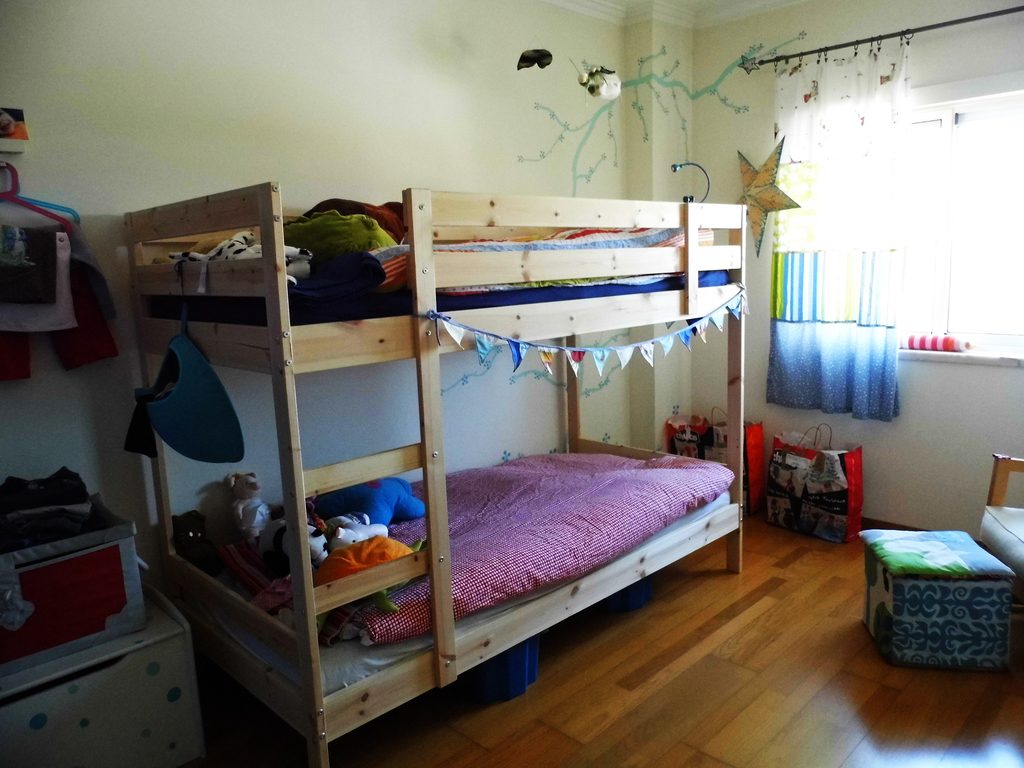
- Bunk beds that can be separated into two single beds as children grow apart in age or taste.
- Height adjustable desks and chairs that fit a young learner and a teenager alike.
- Simple, solid wood dressers that look just as good with a fresh coat of paint later.
- Open shelving at low height for toys today and books or collections tomorrow.
Invest in the big pieces and keep them neutral. Let bedding, rugs, cushions and wall art carry the theme, since these are easy and affordable to swap.
Plan storage at their level
Children are far more likely to tidy up when they can reach things easily. Fabric bins on low shelves, hooks at shoulder height and drawers under the bed make putting things away part of the routine. As they grow, raise the hooks, add a wardrobe rail and introduce desk organisers for school supplies.
Use colour wisely
A calm base colour on the walls, such as soft white, warm grey or a gentle green, works for every age. Add personality with a feature wall, removable wall decals or a painted headboard shape. When tastes change, a single wall is quick to repaint.
Layer the lighting
Good lighting supports sleep, play and study. Combine a soft ceiling light with a bedside lamp for stories and a focused task light at the desk. Dimmers and warm bulbs help children wind down in the evening, while blackout curtains or blinds keep early mornings peaceful.
Make safety part of the design
Anchor tall furniture to the wall, choose rounded edges where possible, add window restrictors and use cordless blinds. Make sure every bedroom has a working smoke alarm nearby and that the bunk bed has sturdy guard rails and a secure ladder.
Involve your child
Letting children choose an accent colour, a bedding pattern or a display shelf for their treasures gives them a sense of ownership. A room they help create is a room they will love to spend time in, and look after too.